The development of a new plastic part involves a multi-step process, from conceptualization to production. Here is an overview of the key stages in the development process:
Conceptualization and Design:
Defining Part Requirements: The initial stage of the plastic part development process involves establishing the part requirements. This includes determining the desired performance criteria, size, weight, and aesthetic considerations, such as color, texture, and surface finish. These requirements are based on the intended application and functionality of the part, as well as any specific industry standards or regulations that may apply.
Sketches and Digital Models:
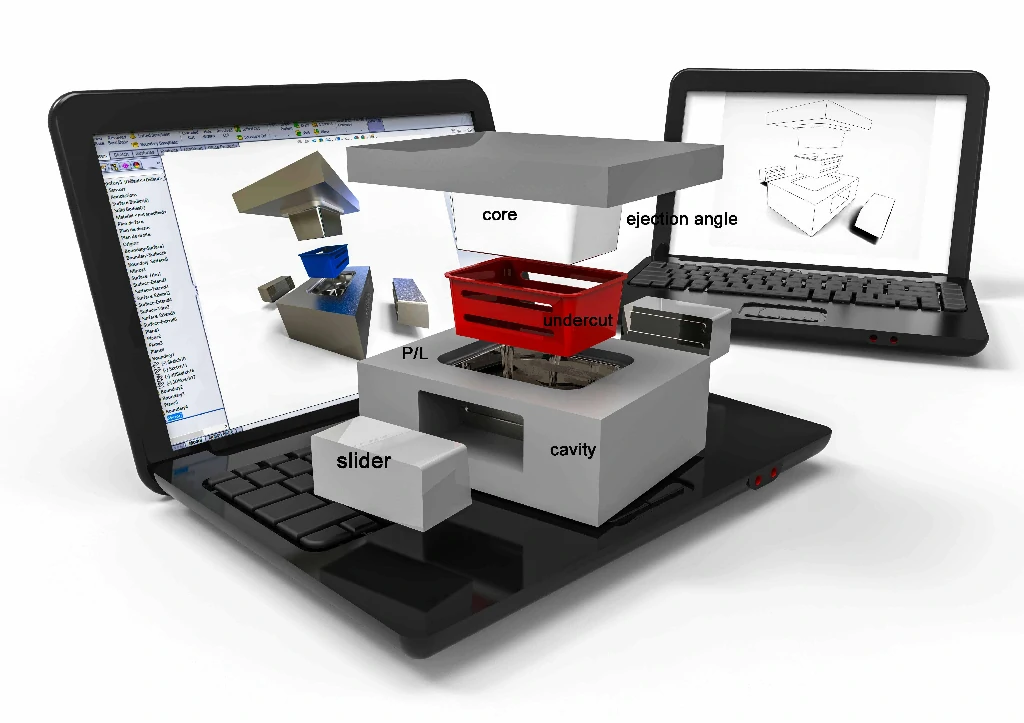
With the part requirements defined, designers create initial sketches or digital models using computer-aided design (CAD) software to visualize the part's basic shape and features. These preliminary representations help designers identify any potential design challenges or opportunities for improvement before moving forward with the detailed design process.
Material Selection:
Choosing the appropriate material for the part is a critical step in the development process. Factors to consider include the material's strength, flexibility, durability, and cost. Material selection also takes into account the part's intended application and any specific performance requirements, such as resistance to heat, chemicals, or UV radiation.
Detailed Design and Engineering:
3D CAD Modeling: The next step is to create a detailed 3D CAD model of the part, which includes specific dimensions, tolerances, and material properties. This model serves as the blueprint for the subsequent stages of development, such as prototyping, tooling, and manufacturing.
Design Analysis:
Various design analysis techniques, such as finite element analysis (FEA) or computational fluid dynamics (CFD), are employed to evaluate the part's performance under different conditions, including stress, temperature, and fluid flow. These simulations help identify potential issues and inform necessary design modifications to ensure optimal performance.
Design Optimization:
Based on the results of the design analysis, the part design is refined and optimized to meet its performance requirements and comply with relevant industry standards or regulations. This iterative process may involve adjusting dimensions, wall thicknesses, or other features to improve the part's functionality and manufacturability.
Prototyping:
Prototype Production:
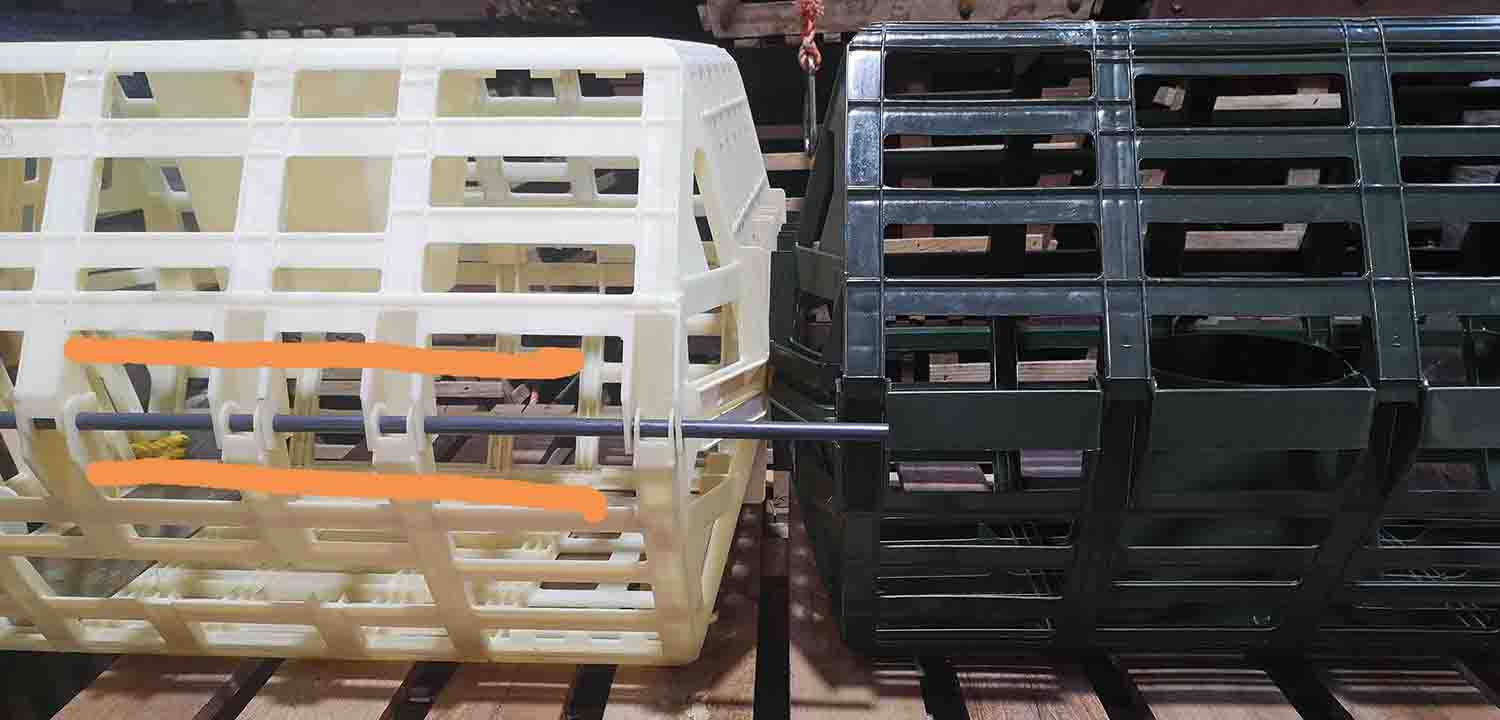
Once the design is finalized, a physical prototype is produced using rapid prototyping techniques, such as 3D printing, CNC machining, or vacuum casting. This prototype allows for real-world evaluation of the part's fit, form, and function, providing valuable insights into its performance and potential areas for improvement.
Prototype Testing:
The prototype is subjected to various tests to assess its performance and verify that it meets the established design criteria. This may include mechanical tests, thermal tests, or environmental exposure tests, depending on the part's specific requirements.
Design Iteration:
Based on the results of prototype testing, the design may be modified as necessary to address any identified issues or shortcomings. This process continues through multiple iterations until the part design is finalized and ready for tooling and production.
Tooling and Mold Design:
Injection Mold Design:

The design of the injection mold is a crucial aspect of the development process, taking into consideration factors such as part geometry, material properties, and desired production volume. The mold's various components, including cores, cavities, runners, and gates, are designed to facilitate efficient material flow and cooling during the injection molding process.
3D Mold CAD Modeling:
A detailed 3D CAD model of the mold is created, which serves as the basis for mold fabrication. This model includes all necessary information for the mold components and their assembly, as well as any required mold polishing or finishing operations.
Mold Flow Analysis:
Mold flow analysis simulations are conducted to optimize the mold design for efficient material flow and cooling during the injection molding process. This analysis helps prevent potential issues such as warping, sink marks, or incomplete filling, which can negatively impact part quality.
Mold Fabrication:
Mold Manufacturing:
The mold is manufactured using techniques such as CNC machining, electrical discharge machining (EDM), or additive manufacturing. The choice of manufacturing method depends on factors such as mold complexity, material, and required tolerances.
Mold Assembly and Finishing:
Once the mold components are manufactured, they are assembled and any necessary mold polishing or finishing operations are performed. This ensures smooth surfaces and proper alignment of the mold components for optimal part production.
Trial Production and Mold Validation:
Trial Production Run:
A trial production run is conducted using the fabricated mold to produce sample parts. This step helps identify any potential issues with the mold or the injection molding process before moving to full-scale production.
Quality Inspection:
Sample parts produced during the trial run are inspected for quality, ensuring that they meet the design specifications and tolerances. Any defects or inconsistencies are addressed by adjusting the mold or process parameters as needed.
Mold Adjustments:
If any issues are identified during the trial production and inspection, necessary adjustments are made to the mold or process parameters to address the problems. This iterative process continues until the mold is validated and ready for mass production.
Mass Production:
Production Launch:
With a validated mold and established process parameters, mass production of the plastic part begins using the injection molding process. This stage involves producing large quantities of the part in an efficient and cost-effective manner.
Quality Control:
A quality control system is implemented to monitor the production process and ensure consistent part quality. This may involve regular inspections, statistical process control (SPC), or automated inspection systems to maintain a high level of product quality.
Post-processing and Assembly (if required):
Post-processing:
After the parts are molded, any necessary post-processing operations are performed. This may include trimming, painting, surface finishing, or other secondary operations to meet the final product requirements.
Assembly:
If the plastic part is part of a larger product, it is assembled along with other components as required. This process may involve the use of fasteners, adhesives, or other joining methods to create the final product.
Packaging and Shipping:
Packaging:
The finished parts or products are packaged according to the required specifications, ensuring they are protected during transportation and storage.
Shipping:
The packaged parts or products are shipped to the end customer or distribution center, completing the plastic part development process.
Take away
Throughout the entire process, effective project management and communication between stakeholders, including designers, engineers, manufacturers, and clients, are crucial for a successful plastic part development. This collaboration ensures that the part is developed efficiently, meets the desired requirements, and is delivered on time and within budget.
https://www.plasticmoulds.net/a-whole-process-of-new-plastic-part-development?feed_id=1213&_unique_id=642588be3ded4
Comments
Post a Comment