Polylactic Acid, or PLA, is a biodegradable and eco-friendly thermoplastic derived from renewable resources like corn starch. PLA has a wide range of applications, but one of the most popular uses for this material is injection molding. Injection molding is a manufacturing process that involves injecting molten PLA into a mold cavity. This process can be used to create everything from medical devices to packaging. One of the benefits of using PLA for injection molding is that it does not produce harmful emissions during the manufacturing process.
Why those important for injection molding cost
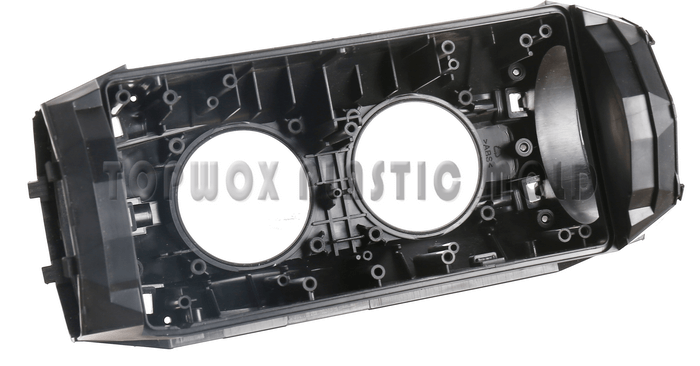
- Part size- bigger parts mean a bigger mold, which means that bigger steel will increase the steel cost for the injection mold.
- Part design- the more complex a part is, the more detailed the mold has to be. Some complicated parts will require special features to be added, such as lifters or sliders. Therefore, you should be open to advice from your mold maker and see if there’s anywhere that you can alter the part design to save on injection mold costs.
- Materials: Depending on the part material of choice, the injection mold will have to be made of a particular material. For instance, if corrosive plastic-like PVC is to be used, the mold will have to be stainless steel to avoid any damage, ultimately bump the price up.
- Part finish requirements- where parts have high gloss surface requirements, then more expensive steel and precise technical polishing will be vital, adding to the price.
- Production volume- higher volume molds need more cavities, and so the mold will be larger. They also require a higher steel grade to last for longer, which impacts the injection mold cost.
- Country of manufacture- different countries have different wage rates. If your mold is made in a country where labor costs are low, then you’ll naturally save money. In China, the average cost of an injection mold is around 40% less than in western nations.
Introduction: What is Polylactic Acid?
Polylactic Acid (PLA) is a biodegradable and bioactive thermoplastic derived from renewable resources, such as corn starch. PLA has been used in a variety of applications, including food packaging, medical devices, and 3D printing filaments. Injection molding is a process that can be used to create parts and products from thermoplastic materials like PLA. Injection molding involves injecting molten material into a mold cavity, where it cools and hardens to the desired shape.Injection molding is an efficient and cost-effective way to produce large quantities of polylactic acid products.Polylactic Acid is an ideal material for injection molding due to its high melting point and low density.
1.Melting
The heated barrel and rotating screw is fed with material from the hopper.
By heat, friction, and shear force, the material melted by the rotation of the screw is forced through a check valve to the front.
2.Injection
The screw is forced forward from the back end by a hydraulic ram after having been moved forward by the shot of material at the front.
3.Cooling
The tool remains closed until the plastic has completely cooled and hardened in the mould tool cavity. This is usually the longest portion of the injection moulding process.
4.Ejection
The next moulding is performed by back-moving the screw. The tool opens and the plastic part is ejected. Next, the tool closes, and the injection molding process is repeated at 1.
The Benefits of Polylactic Acid
Polylactic acid (PLA) is a biodegradable and eco-friendly plastic that has many applications in the injection molding industry. PLA is made from renewable resources, making it a sustainable choice for businesses and consumers alike.
PLA is also strong and durable, making it ideal for a wide range of products, from food packaging to medical devices. In addition, PLA can be transparent or opaque, making it versatile for different applications.
Overall, choosing PLA for injection molding provides many benefits for businesses and consumers. It is a sustainable choice that helps reduce environmental impact, while also being durable and versatile. As the demand for sustainable and eco-friendly products continues to grow, PLA will likely become even more popular in the injection molding industry.
Polylactic Acid is a versatile plastic that can be used for injection molding, 3D printing, and as a biodegradable material. Polylactic Acid has many benefits over other plastics, including its environmental friendliness and its ability to be molded into complex shapes.
[table id=27 /]Injection Molding with Polylactic Acid
Injection molding is a process that injection molds melted plastic into a desired shape. In order to do this, polylactic acid, or PLA, is injected into a mold at high pressure. PLA is a type of thermoplastic, meaning it can be molded when heated and will retain its shape when cooled.
PLA is made from renewable resources like corn starch or sugar cane, making it a more environmentally friendly option than other types of plastic. It also has a lower melting point than other plastics, so less energy is required to heat it during the injection molding process. In general, the manufacturing process for PLA is similar to that of other plastics, such as ABS or polystyrene.
The Drawbacks of Polylactic Acid Injection Molding
Polylactic acid is a thermoplastic resin made from lactic acid. It can be injection molded, extruded, or cast. It is biodegradable and often used as an alternative to petroleum-based plastics. However, there are some drawbacks to using polylactic acid for injection molding.
One drawback is that polylactic acid has a lower melting point than other plastics. This can cause problems during the injection molding process, as the material may not flow evenly through the machine. Additionally, PLA isn't as strong as other plastics and isn't suitable for all applications. It also tends to be more expensive than traditional plastics. Polylactic acid is more brittle than other plastics, so it is more likely to crack or break during the molding process.
Another drawback of using polylactic acid for injection molding is that it produces a lot of harmful emissions when it is melted down and molded. These emissions can contribute to climate change and air pollution.
Overall, though, PLA is a good option for injection molding when environmental friendliness is a priority.
https://www.plasticmoulds.net/polylactic-acid-pla-injection-molding.html?feed_id=564&_unique_id=63155e92ea6b2
Comments
Post a Comment